January 20, 2013 -
Got the NACA duct forward of the forward landing gear bulkhead glued down and sanded down to the dimensions called for and I have the lower corners along the lower longerons trimmed and sanded off to almost completion. the perment lower half of the firewall is installed and flox in and the longerons have been cut off flush with the firewall.
As it turns out I did have enough of the plywood remaining to get the four board to place between the aft landing gear bulkhead and the firewall. And the four small pieces of plywood needed that goes around the landing gear srtut on the fuselage have been installed.
I have ordered a antenna kit from Jim Weir's company RST. Be sure to order it early, I have been waiting for over three weeks on it and still not here.
My biggest concern in the earler part of the construction process was going to be the cutting the lower corners along the longerons. I would of rather had a double root canal. But as it worked out it was not nearly that bad. I just cut at a 45 degree angle down to the wooden longeron, then I used a belt sander it take off enough of the wood to get the 1/4 inch exposed as called for. Then I went back a cut some more foam at the outer edges of the first cut with a hack saw as before. Then I used the sure form, but I always called them a cheese grater. The sure form takes the foam down pretty quickly but you have a lot better idea of how much you are removing as compaired with the saw blade which you are not so sure until the pieces fall off. It might be a bit to late at that time.
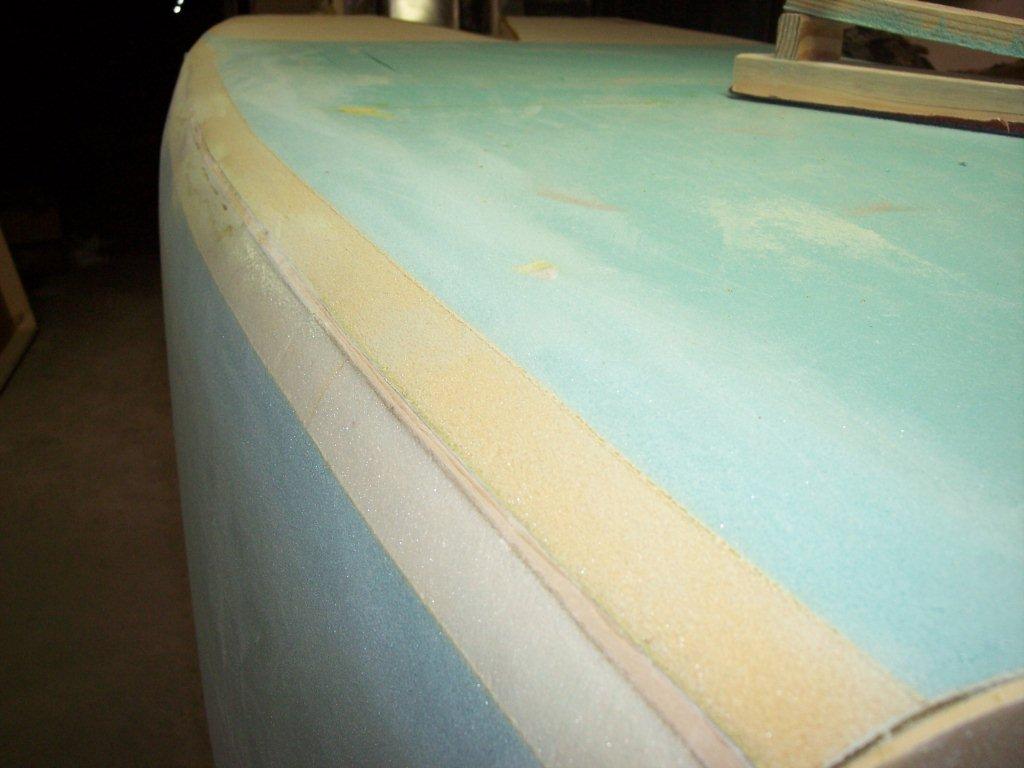 |
I have the bottom sides about 80% sanded to it's final form. |
|
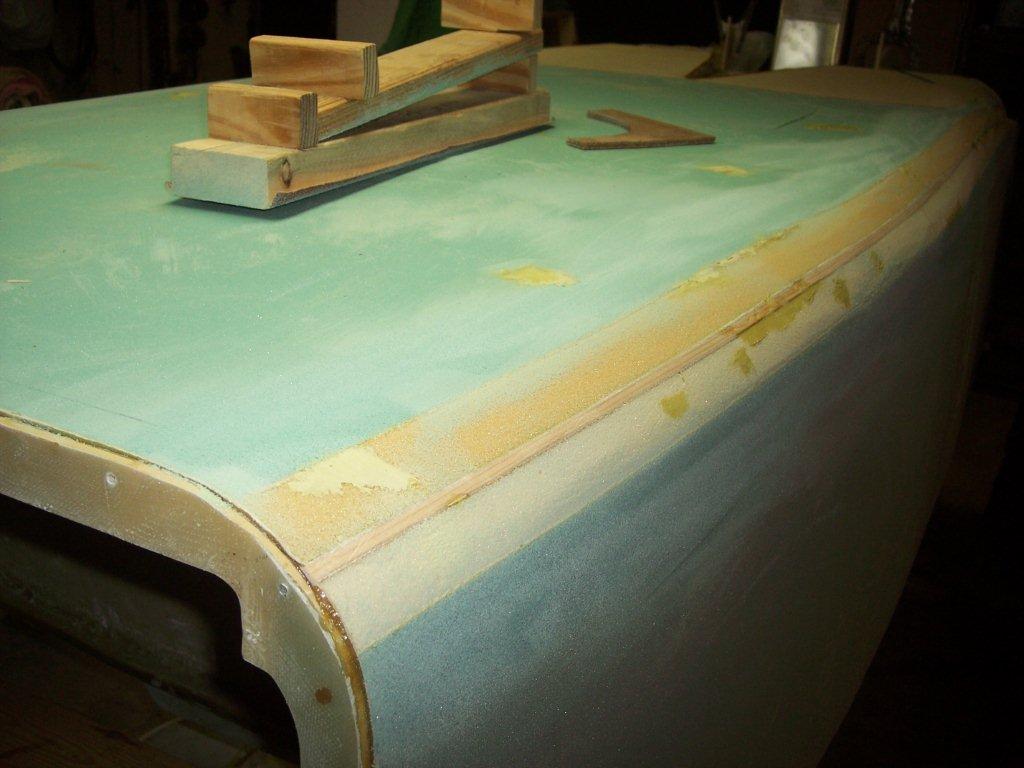
Once again here is the other side which is also about 80% done. You can see the sanding boards, one with 36-grit sand paper and the other with 50-grit paper which I use when I am getting close to the final shape or height. |
 |
|
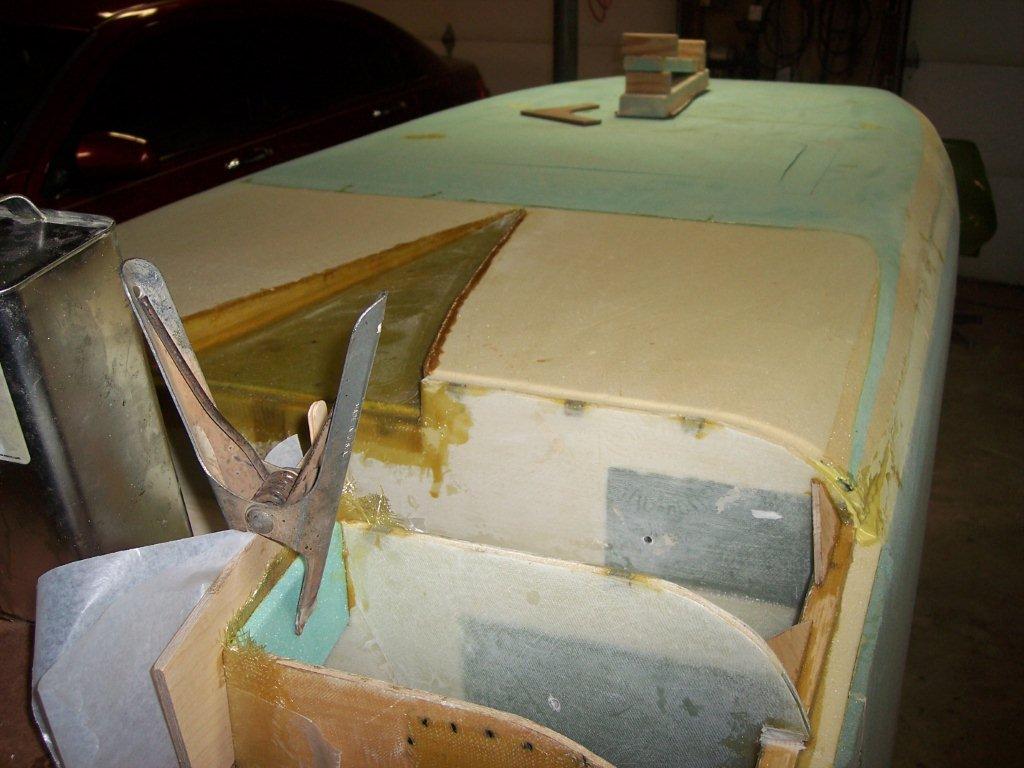 |
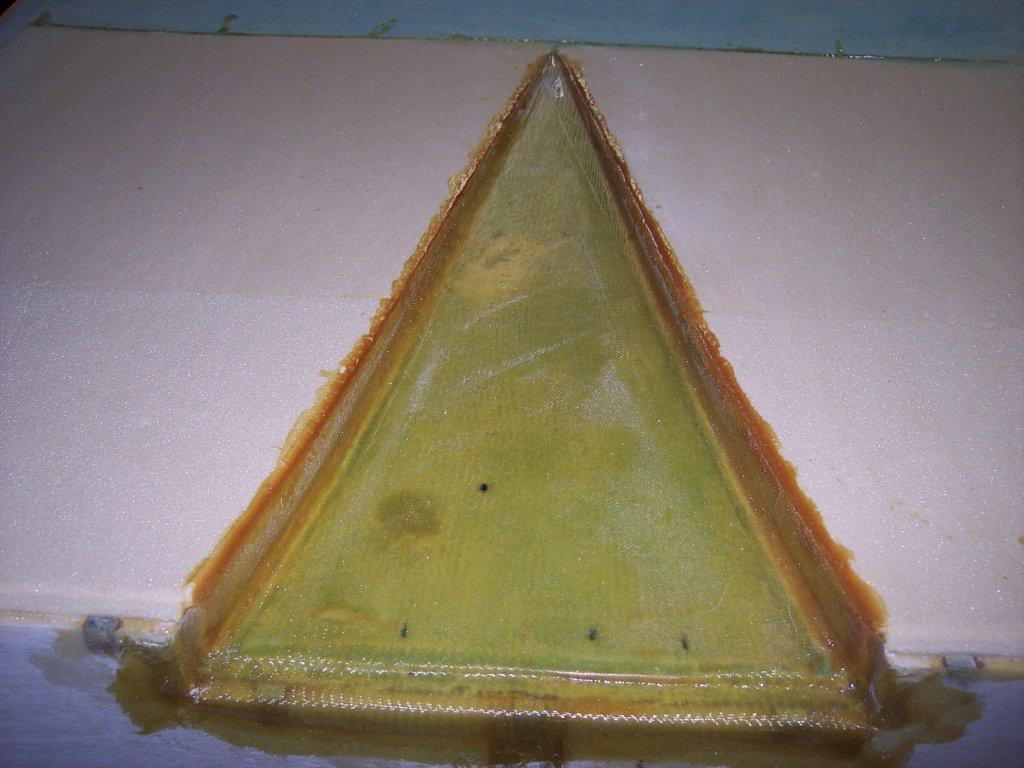
You can see here I have the cooling air scoop glassed in and we just cut the 45 degree cut next to the glass to put the flox in to make this a hard point so we don't loose the sharp edge for the NACA scoop. They say that the sharp edge is probably the most important part to make the scoop the most effective. Don't get me wrong the rest is important but probably more forgiving than the sharp edge on the outer lip. |
|
Here is a close up of the front part of the NACA scoop. |
 |
|
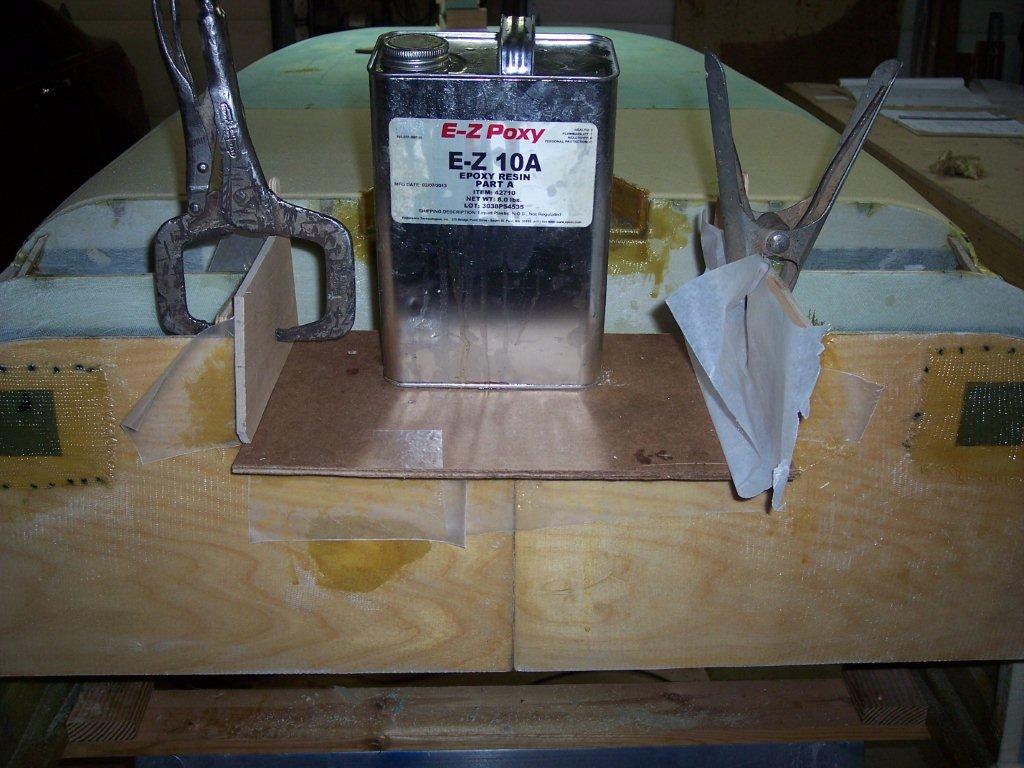 |
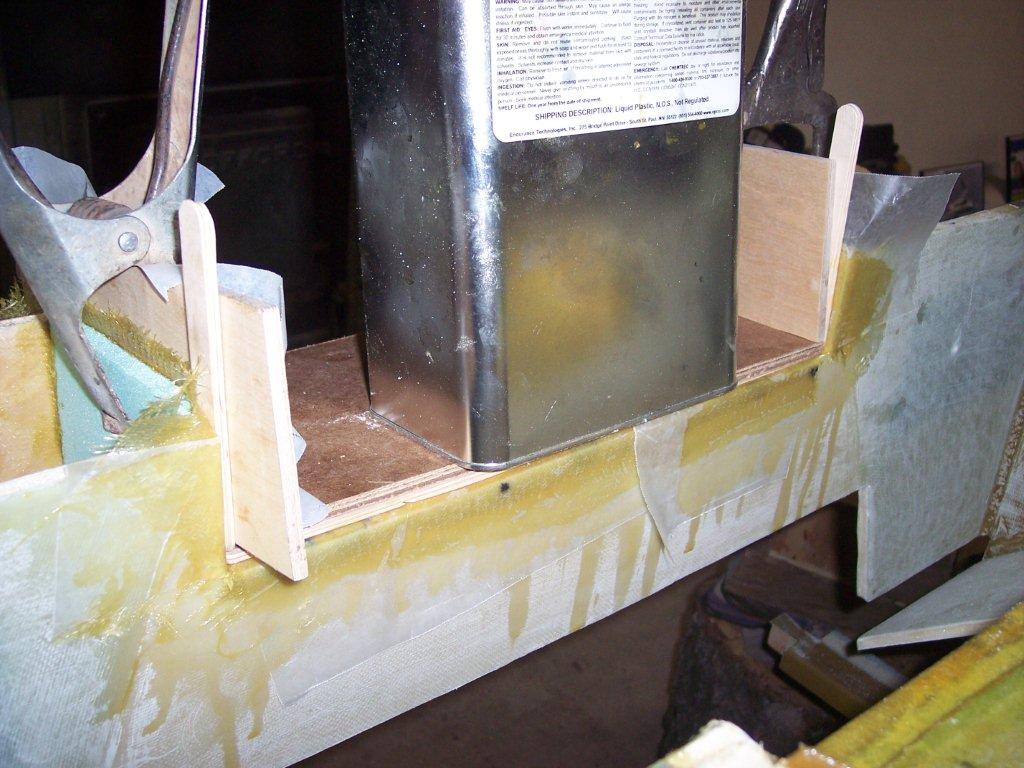
No this not a ad for E-Z Poxy but we used it to weigh down the stiff cardboard to keep all of the joggles as sharp and the corners all laying tight and sharp. |
|
A close up of the most aft part of the NACA scoop on the fuselage. |
 |
|
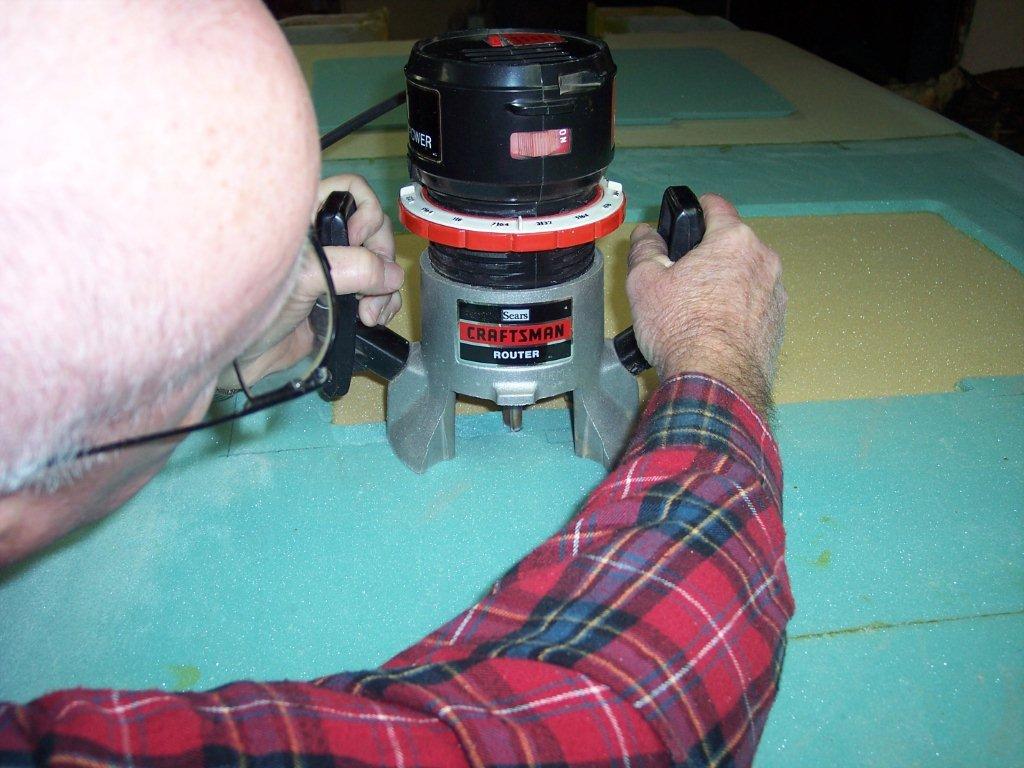 |
We are using a router to lower the foam around the landing brake cut out. |
|
Some MUST HAVE tools
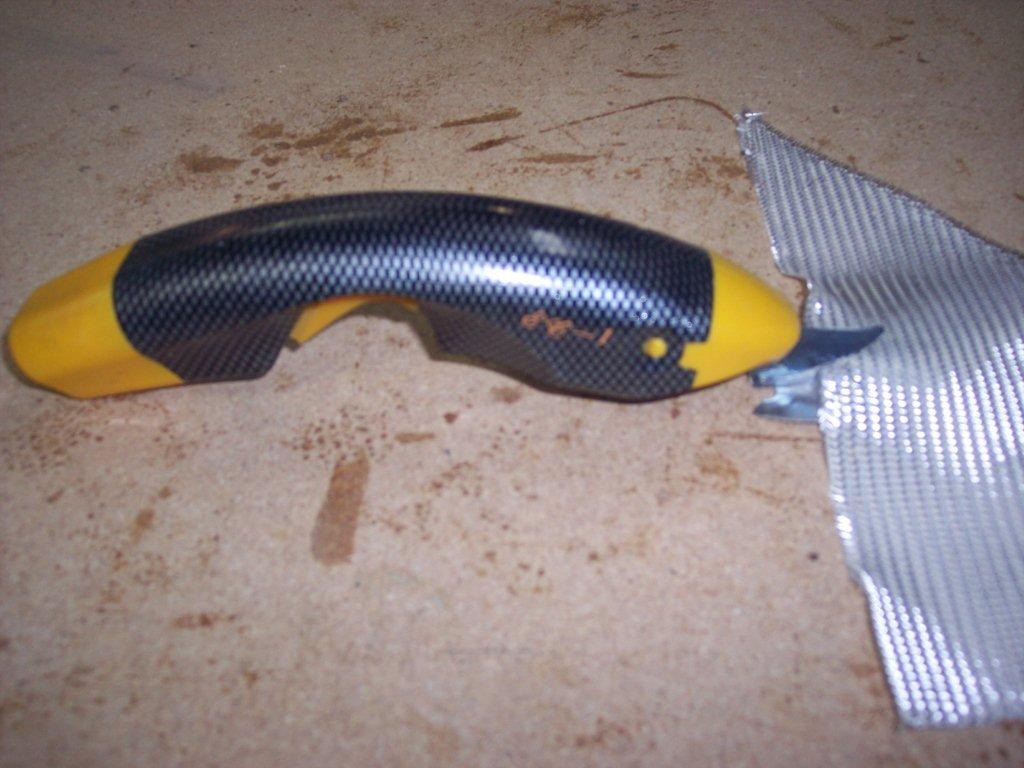 |
Here is the last must have tool. Well that is impossible, we will never get to the last must have tool. But this is a glass cloth cutting machine. It cost a hundred dollars and I almost didn't buy it. I still can't believe I shucked out the $100 for it, but boy am I glad I did. It is great! |
|
OK here is one of "THE" most, must have thing to have to build a composite aircraft. A $20 kitchen scale from, where else, War-Mart. This makes it a snap to measure any amount of epoxy you what and it has a"zero/tare" function so you can zero the weight so you can add the hardener in starting at a zero so there is no adding to do. You can even get one that will count your calories if you are into eating the flox as it looks a lot like applesauce. Or taking a sip of resin ever once in a wile. I have the ratios on the cans but I am going to put the mixing ratios on the glass plate so I don't have to look on the can to see them. I was using syringe for cattle injections before on the smaller mixing until I got the kitchen scale. |
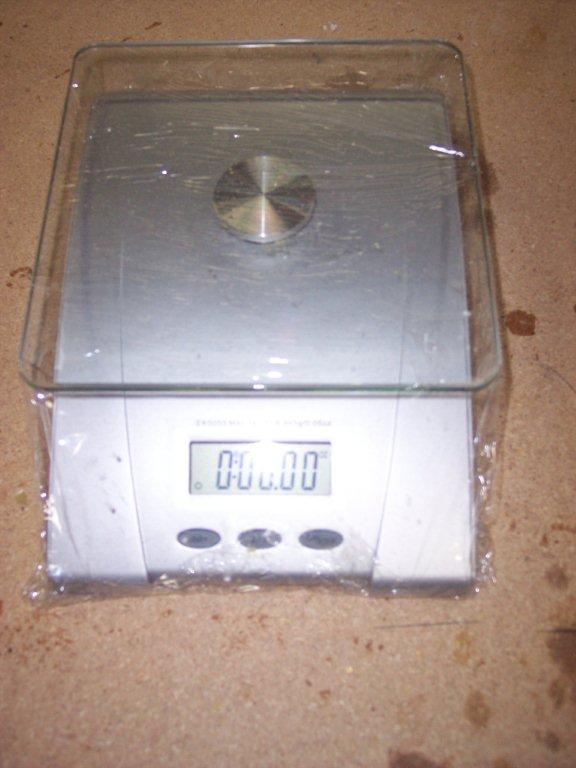 |
|

| Hidden rudder bell horns | Seems to be a cleaner approach. There appears to be plans available from RAF. Slade has link on his site for RAF to get plans. SOLUTION: We made our own hidden horns out of carbon. |
|
|
||